
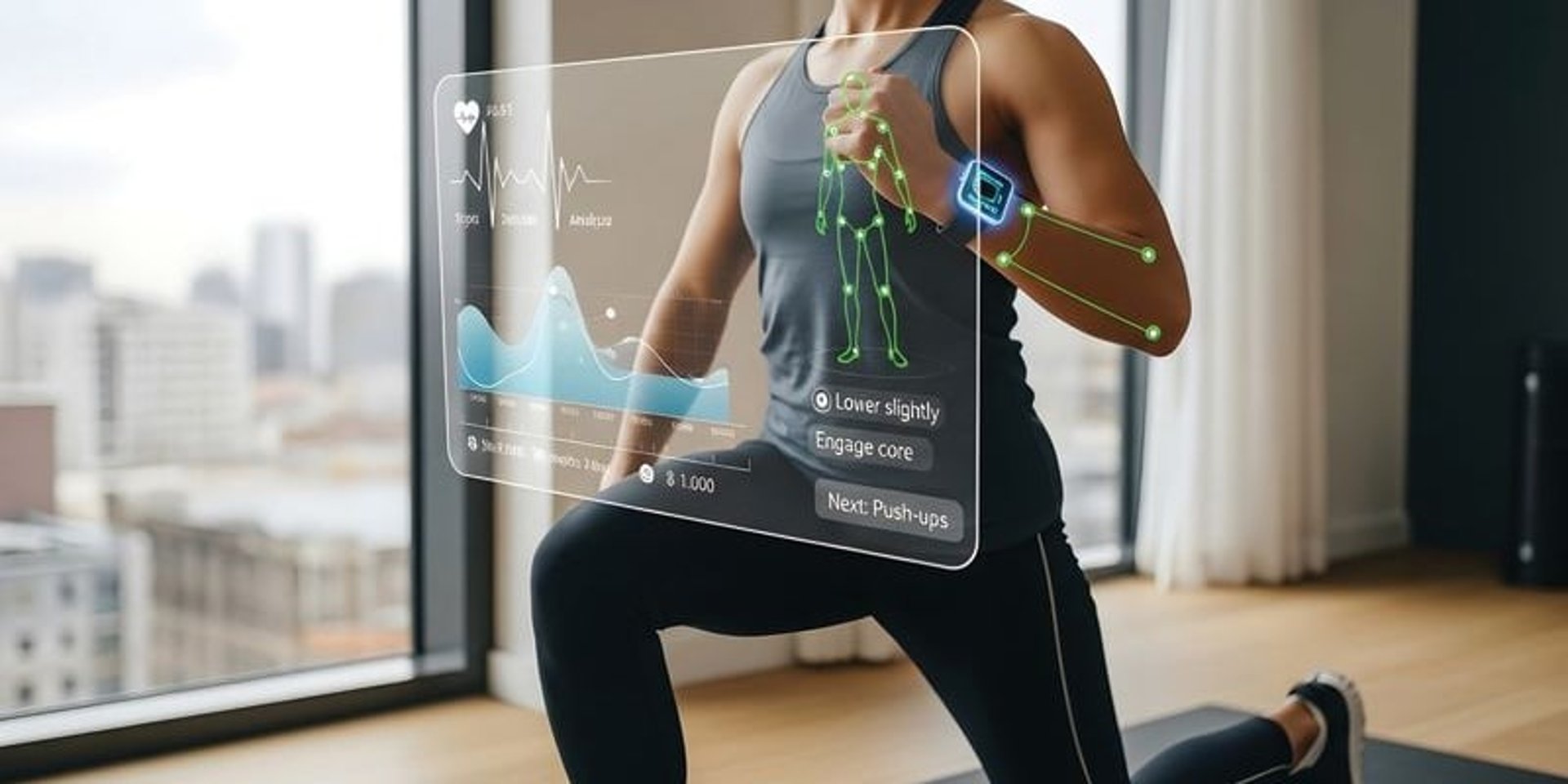
The Health & Wellness Industry Optimized Itself Into a Problem
The last decade turned health into a performance metric. Biohackers chased perfect sleep scores, athletes tracked every variable, and somewhere along the way enjoying your life became a data point to be optimized. The pendulum is swinging back. The question is where it actually lands down the road.
Max Stephens
6/16/20266 min read
At some point in the last decade, wellness stopped being about feeling good and started being about performing well.
Sleep became something to optimize. Recovery became a numerical score. Every meal was a macro calculation. Every workout had a target zone. Every morning had a protocol. Cold plunge at 6am. Red light therapy. Eighteen supplements before breakfast. Stress response measured in milliseconds of heart rate variability.
The optimization mindset produced real results for a lot of people. Understanding your sleep stages, tracking your HRV, paying attention to how alcohol affects recovery, building consistency around training. These things matter and the data made them legible in ways that weren't possible before.
But something got lost along the way.
How we got here
The optimization era had a logical origin.
Wearable technology improved dramatically and became affordable. Continuous glucose monitors moved from clinical tools to consumer products. The quantified self movement gave people a framework for treating their own health like a system to be tuned. Andrew Huberman, Peter Attia, and the broader longevity conversation introduced a generation to the idea that health wasn't just the absence of disease but a variable you could actively optimize toward some theoretical maximum.
The appeal was real. For people who had always treated health as reactive, responding to illness or injury after the fact, the idea of proactively building a body that performed better and lasted longer was compelling. Data made that project feel concrete and measurable.
So the industry built products and content around it. Whoop turned recovery into a daily score. Levels turned blood sugar into a constant feedback loop. Every podcast sold a supplement stack. Every creator had a morning routine that ran two hours before they started their day.
And for a certain type of person, myself included, all of it made sense.
Where it went wrong
The problem wasn't optimization itself. The problem was what happened when optimization became the organizing principle of every health decision, for everyone, regardless of context or goal.
A Whoop score is useful information. Treating a yellow recovery score as a reason not to go to your friend's birthday dinner is a different thing entirely.
Tracking your sleep is useful. But lying awake anxious about whether you're getting enough deep sleep is the opposite of what tracking was supposed to accomplish. There's now a recognized pattern called orthosomnia, where the pursuit of perfect sleep data actively degrades sleep quality through the anxiety it creates.
The optimization mindset assumes there's always a lever to pull and a metric to improve. That framing works well for acute problems with clear solutions. It works poorly for the reality that human health is messy, context-dependent, and deeply entangled with the quality of your relationships, the meaningfulness of your work, and how much you're actually enjoying your life.
People who ate in caloric deficits for years in pursuit of optimal body composition started developing complicated relationships with food. Athletes who trained according to perfect periodization programs started dreading workouts they used to love. People who never missed a morning routine started skipping vacations.
The data was good. The context around the data was getting lost.
The swing back
The reaction was probably inevitable.
You can see it in the content that started performing well in 2024 and into 2025. Creators talking about putting down their Whoop and feeling better for it. Athletes publicly saying they stopped tracking their food and started enjoying meals again. The rise of what some called intuitive training, working out based on how you feel rather than what a readiness score says.
Books about doing less, recovering more, and the underrated value of rest started appearing on the same shelves that had been full of optimization frameworks. The anti-optimization content found a large and receptive audience because a meaningful portion of the people who had been deep in the optimization world were burning out on it.
Even some of the researchers who had made careers studying performance optimization started publishing work on the costs of the optimization mindset. The stress of constant self-monitoring has physiological effects. The cortisol response to feeling like you're underperforming your own benchmarks is measurable.
Some of the most followed wellness creators began openly discussing their exits from strict protocols. Morning routines got shorter. Cold plunges became optional. Supplements got consolidated. The message shifted from maximize everything to do what actually fits your life.
The problem with the swing back
Here's where it gets more complicated.
The anti-optimization reaction is a correction, but corrections have a way of overcorrecting before they find equilibrium.
Abandoning sleep tracking because it caused you anxiety is a reasonable personal decision. Concluding from that experience that sleep tracking is bad and data is useless is a different claim and a harder one to defend. The data itself didn't create the anxiety. The relationship to the data did.
Deciding to eat more intuitively after years of obsessive macro counting is a healthy recalibration for many people. Concluding that macros don't matter and nutritional awareness has no value doesn't follow from that.
The anti-optimization content has its own blind spots. It sometimes romanticizes ignorance as freedom. It can conflate the stress of over-monitoring with the stress of genuinely not knowing what's happening in your body. And it occasionally uses the very real failures of the optimization era to argue against the tools themselves rather than the relationship people developed with those tools.
The pendulum swinging from obsessive optimization to dismissive anti-optimization isn't equilibrium. It's just a different kind of extreme.
Where equilibrium probably lands
The honest answer is that we don't know exactly where the middle is yet because we haven't finished swinging.
What the evidence suggests is a picture that's less dramatic than either extreme.
Data is useful when it informs decisions and loses value when it replaces judgment. Knowing your HRV trend over several months is valuable context for understanding your overall stress load and recovery capacity. Checking your recovery score before deciding whether to have a conversation with a friend is a sign the tool has taken over the person using it.
Protocols are useful when they create consistency around behaviors that actually matter and become counterproductive when the protocol becomes more important than the outcome it was designed to produce. A morning routine that includes the behaviors most likely to set you up well for the day is valuable. A morning routine that you can't deviate from without feeling like your entire health project is compromised is a different thing.
Optimization works best as a periodic project rather than a permanent state. Spending a focused period understanding your sleep patterns, learning how your body responds to different training loads, identifying the lifestyle factors that most affect your energy and mood. Then taking that understanding and building habits around it, stepping back from the monitoring, and living your life.
The data collection phase and the living phase are both necessary. The optimization era collapsed them into one continuous state of monitoring, which is where things started breaking down.
What this means for the industry
The wellness industry tends to move in cycles, and this one is no different.
The optimization era produced a generation of products, protocols, and content built around the idea that more data and more precision leads to better health outcomes. That era isn't over. The technology is too good and too affordable now to disappear, and the underlying insight that data can inform better decisions is sound.
But the next generation of the category will probably look different. Less about maximizing every metric and more about identifying the few variables that actually move the needle for a specific person in their specific life. Less about perfect protocols and more about sustainable habits. Less about daily scores and more about longer trend lines.
Some of the most interesting product development happening in the space right now is moving in exactly that direction. Wearables that surface insights rather than raw data. AI coaching that tells you what to do with the numbers rather than just presenting them. Apps designed to reduce decision fatigue rather than add to it.
The goal was always supposed to be a longer, healthier, more functional life. Somewhere in the optimization era that got partially replaced by a longer, more optimized life, which is a subtly different thing and not always the same one.
The pendulum will settle
It takes a few swings before these things stabilize.
The first swing into optimization produced real benefits and real casualties. The swing back is producing a useful correction and some overcorrection of its own. The next movement will probably land somewhere more nuanced than either position.
What that looks like in practice is probably something like this. Use data when you need it. Step back from it when you don't. Build habits around the things that consistently matter. Stop building habits around the things that produce anxiety without producing results. Treat your health as something that supports your life rather than as a project that competes with it.
That's not a revolutionary framework. It's also not something the wellness industry can easily sell you a subscription for.
Which might be part of why it's taken this long to arrive at it.
Want articles like this one delivered weekly? Join the newsletter and get a quick recap of everything we cover, straight to your inbox, once a week.

© Norva Wellness 2026. All rights reserved.
Want to be the first to hear when we publish something new?
No filler emails. No selling. We promise.