Why the Saturday Morning 5K Is the New Happy Hour
Run club memberships surged 59 percent in 2024. Twenty-two percent of Gen Z now call them the new dating app. Something bigger than fitness is happening here.
Max Stephens
7/2/20265 min read
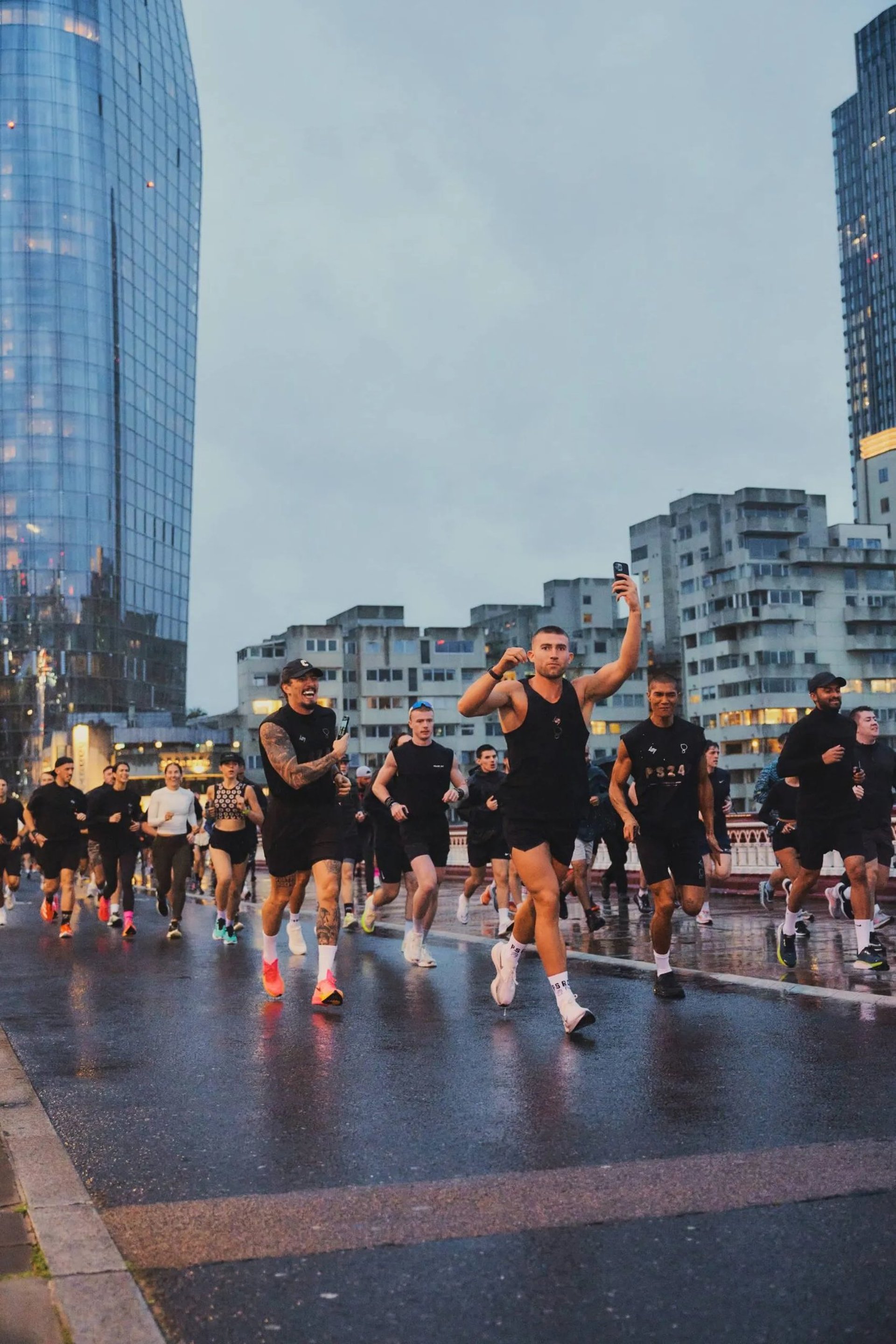
Somewhere along the way, a group of people running through a city at 6am on a brisk Saturday morning became one of the more culturally interesting things happening in cities right now.
Not because of the running. The running is almost beside the point.
Run clubs have quietly become the social infrastructure that a generation is building its weekday routine around, the place where you see the same faces week after week, swap recommendations, meet people you'd never encounter at the bar or even in a gym, and occasionally, apparently, find a romantic connection. The Venice Run Club in California went viral on TikTok specifically for documenting its members' dating success stories. Strava rolled out dedicated "Singles Events" features for run club organizers in early 2026. Twenty-two percent of Gen Z describe run clubs as the new dating app, which is a sentence that would have been incomprehensible ten years ago.
The numbers are hard to dismiss
Global run club memberships surged 59 percent in 2024. In the US alone, the number of running clubs has grown 25 percent over the past five years, with roughly 50 million Americans now participating in running and jogging activities. Strava's Year In Sport report found that making social connections was the top motivator for group exercise, with 58 percent of respondents saying they found friends through fitness groups like run clubs. Not "I got fitter." Not "I ran a faster mile." The top reason people join and stay in run clubs is that they found friends. The fitness is the mechanism. The connection is the point.
This is a meaningful shift from how running has historically been framed. For most of its modern existence as a recreational pursuit, running was a solo activity. You put headphones in, you disappeared for an hour, you came back. The idea of running as something inherently social, something you schedule around other people and look forward to partly because of who else is going to be there, is a relatively recent development.
Why now
The timing makes sense once you look at what else was happening simultaneously.
The pandemic didn't start the run club trend, but it accelerated it in a specific way. It created a period of extended social deprivation that made people acutely aware of what they were missing, and when restrictions lifted, a meaningful number of people didn't go back to bars and clubs to find it. They went looking for something different. Something where the social element wasn't organized around drinking, staying out late, and recovering for two days. Run clubs emerged as social hubs that offered community, shared purpose, and a healthier alternative to traditional social settings.
This connects directly to the broader shift in alcohol consumption we've covered before. Gen Z drinks less than any generation on record and Millennials are following. When the default social venue for an entire generation is built around a substance a growing number of people are moving away from, the social infrastructure has to go somewhere. The surge in run club popularity, especially among Millennials and Gen Z, is primarily driven by a desire for social connection and meeting people in real life. The run club is one of the places that desire is landing.
Seventy-nine percent of college students are turning away from dating apps in favor of in-person meets. That's a generation that grew up with every conceivable digital tool for social connection and is now actively choosing to meet people while running through a park at 6am instead. That's a signal about what people actually want versus what the app economy assumed they wanted.
What the social structure of a run club actually provides
Run clubs have become part fitness, part social ritual, part emotional anchor for a generation craving structure, connection, and purpose. That framing is more accurate than "people who like running." A lot of people who join run clubs don't especially like running when they start. What they like is having somewhere to be, a reason to be there, and people who are going to notice if they don't show up.
Accountability is one of the most consistent predictors of exercise adherence, and human accountability, knowing a specific person is going to ask why you weren't there last Wednesday, produces a different kind of motivation than an app notification. Exercising in groups keeps 34 percent of participants accountable to their training according to surveys.
There's also something about the structure of a run club that mirrors older social institutions. A weekly recurring commitment with a consistent group of people, a shared physical challenge, and a low-key social component afterward (post-run coffee has become its own run club institution) is a format that shows up in almost every community structure that has historically built lasting social bonds. It's what religious congregations, bowling leagues, and neighborhood associations all understood intuitively, and what a generation that inherited few of those structures is rebuilding through a different container.
Running as identity, not just activity
There's an intersection happening between the social nature of running, the sports component, and the cultural component where it's becoming cool to run. That cultural legitimacy is new, and it matters for why run clubs are sticking rather than cycling through as a trend.
When something becomes part of how people identify themselves, participation patterns change. Someone who goes to the gym is doing exercise. Someone who runs with a club three mornings a week is a runner. The identity attachment makes the behavior more durable, more resistant to falling off when motivation dips, and more likely to get passed on socially to friends and family who observe it from the outside.
Brands have noticed. Major apparel and nutrition brands have been shifting significant marketing spend from traditional digital ads to hyper-local run club sponsorships to capture the high-engagement loyalty these groups generate. Tracksmith, Satisfy, and Bandit Running built entire brand identities around run club culture. Nike's After Dark Tour and Adidas Runners have invested heavily in community-led running formats specifically because the loyalty that comes from being genuinely embedded in someone's social life is worth more than a banner ad.
The global version
The trend isn't limited to American cities, which is part of what makes it feel less like a niche fitness moment and more like a broader cultural shift.
In Seoul, No Rules Run Club hosts post-run DJ sets blending nightlife with running culture. In the UK, Ravers2Runners organizes festival-style 5K runs around events like Glastonbury, merging what used to be club culture with wellness. The energy that used to go toward a night out is being redirected toward movement, and the people doing it aren't framing it as a sacrifice. They're framing it as an upgrade.
That reframing is probably the most culturally interesting part of this whole shift. The narrative around healthy social behavior used to be organized around what you were giving up. You're not drinking, you're not staying out, you're being responsible. The run club narrative flips that entirely. You're getting up early, you're moving your body, you're building something with people. The identity it offers is aspirational rather than restrictive.
Whether this is a trend or something more durable
Some argue that the run club surge is simply a post-pandemic rebound, that it came up at the right time when people were desperate for connection after prolonged isolation. The counterargument is that run clubs are fulfilling longstanding societal needs that will mean some version of them sticks around regardless of the pandemic's role in accelerating them.
That seems right. The conditions that made run clubs appealing, declining alcohol culture, loneliness at scale, a desire for in-person connection organized around something healthier than a bar tab, aren't temporary. They're structural. The pandemic made them visible. It didn't create them.
A Saturday morning 5k followed by coffee with people you actually like, in a city where most people are staring at their phones, is a better social offer than most of what the attention economy has built. It turns out people have noticed.
Want articles like this one delivered weekly? Join the newsletter and get a quick recap of everything we cover, straight to your inbox, once a week.

© Norva Wellness 2026. All rights reserved.
Want to be the first to hear when we publish something new?
No filler emails. No selling. We promise.